


Define Use Cases
Defined library concepts based on real edit scenarios so products solve specific problems, not generic categories, and carry a clear creative point of view.
I led the Sound Brigade SFX Store, a digital storefront built across sound, design, and web, with 17 libraries developed and released as for-sale products. Working with a small team, I aligned creative and technical work to ship them as a cohesive, customer-ready system. The challenge wasn’t making sounds. It was turning moving parts into a storefront people can navigate, evaluate, purchase, and use immediately.
Editors need fast, reliable sound they can trust without slowing down their workflow or auditioning endless options.
The audience was primarily editors and sound designers working under tight timelines and constant revision cycles. Existing sound libraries are often difficult to evaluate quickly, inconsistent in organization, or slow to integrate into real workflows.
The challenge wasn’t simply producing sound assets. It was building a repeatable system that aligned production, packaging, metadata, artwork, and distribution into something people could navigate, trust, and use immediately.
Working with a small team meant balancing creative quality with release cadence while keeping the storefront structured enough to scale as the catalog expanded.
Defined library concepts based on real edit scenarios so products solve specific problems, not generic categories, and carry a clear creative point of view.
Built a repeatable capture, edit, and naming system to keep production aligned and consistent across contributors and releases.
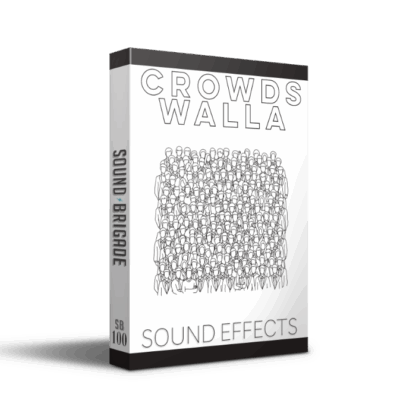
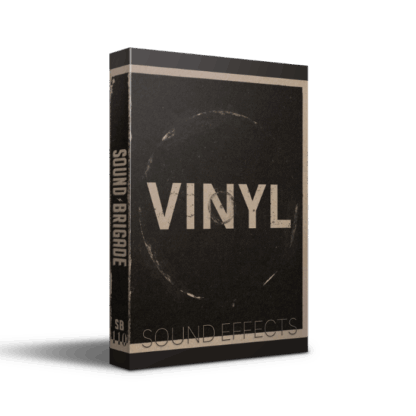
Coordinated artwork, naming, specs, and copy so the value and character of each library is immediately clear to buyers.
Led the launch as a digital storefront with instant download, aligning contributors and refining the system based on usage and feedback.
Each release was built around a specific use case so libraries stayed focused, searchable, and fast to evaluate under real production timelines.
Metadata became a priority early because editors needed assets that could integrate immediately into existing workflows without additional cleanup or reorganization.
The storefront itself was structured to reduce decision time through previews, specs, and consistent product framing rather than overwhelming buyers with unnecessary complexity.
Defined roadmap, positioning, and release cadence, aligning stakeholders and contributors.
Oversaw capture, editing, organization, and QA of assets, ensuring consistency across the workflow.
Directed artwork and guided the digital storefront build, coordinating visual and technical execution.
Coordinated packaging, pricing, and distribution, preparing each library for release and getting it live in the store as a finished, customer-ready product.
Maintaining a steady release rhythm mattered more than building oversized one-off collections. The goal was consistency and reliability so the storefront could grow as a system rather than a series of isolated launches.
Product pages were intentionally simplified so editors could evaluate libraries quickly under real production timelines instead of sorting through unnecessary complexity.
17 Assets • Structured Product System
Delivered a live storefront with 17 digital assets designed for real editing workflows for fast evaluation, purchase, and immediate use.
Built a repeatable release pipeline from idea → production → packaging → launch, turning individual libraries into an ongoing product arm rather than one-off output.